

OpenAI shut down Atlas, its standalone AI browser, on August 9, nine months after launch. Across the first two weeks of the month, three other features arrived: Google Drive files in the Library, an identity system for signing into partner apps, and an opt-in macOS feature that records desktop activity. The shutdown and the new features share a common logic. OpenAI is embedding ChatGPT inside the tools its users already have.
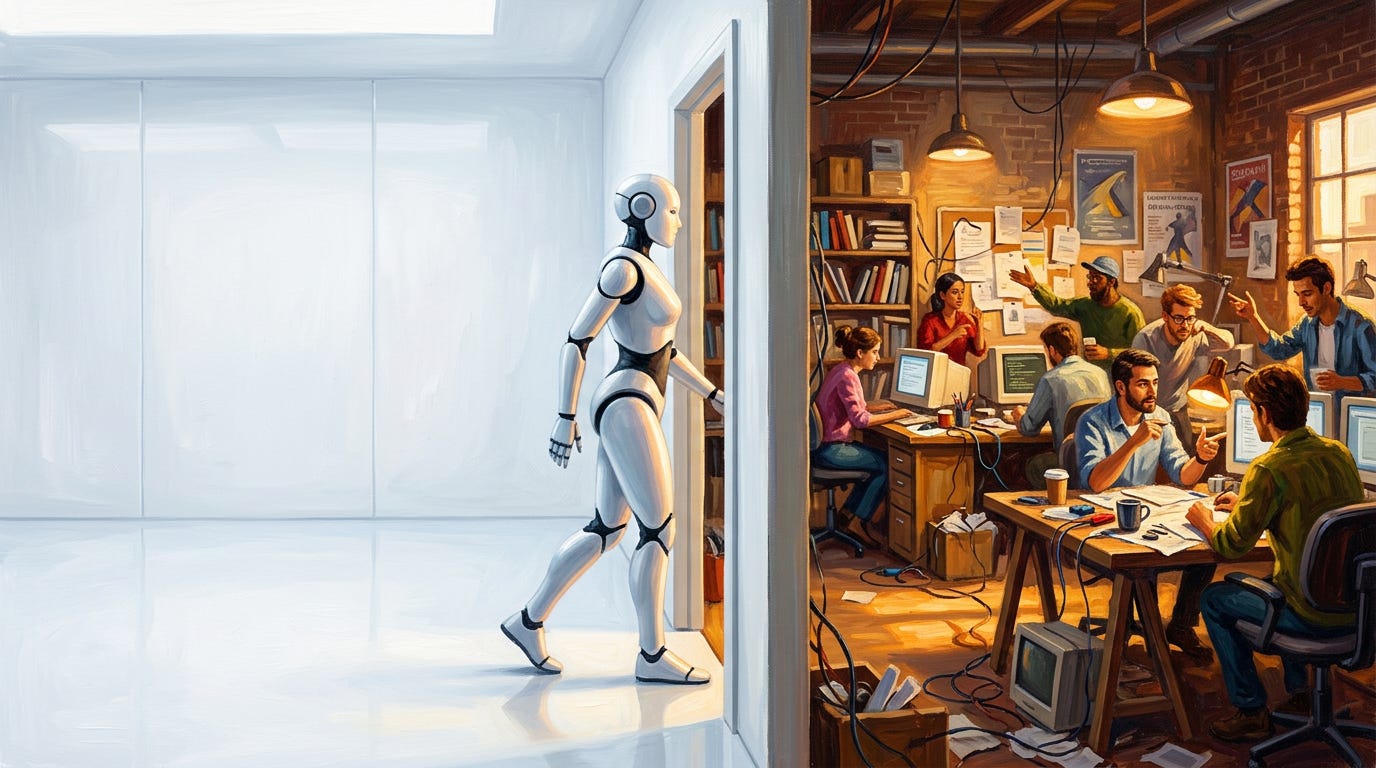
Side quest aborted
OpenAI launched Atlas in October 2025 as a Chromium-based browser with ChatGPT in the address bar, a page-aware sidebar, and an agent mode that let paid subscribers browse, research, and manage tasks from a single window. The browser never left macOS. Windows, iOS, and Android versions had been promised at launch, and none of them shipped, even as public betas. Atlas lasted 292 days without making a measurable impact on Chrome’s roughly 68% browser share.
OpenAI announced the deprecation on July 9, giving users a month to export bookmarks and browsing data before the August 9 shutdown. Atlas’s browsing features migrated into the ChatGPT desktop app and a refreshed Chrome extension, carrying over multi-tab support, file downloads, and account login. Fidji Simo, OpenAI’s outgoing CEO of applications, described products like Atlas as distracting “side quests.” A standalone AI browser could not pull users away from the tools they already inhabited.
The integration layer
On August 13, ChatGPT began letting paid users browse Google Drive files and folders directly from its Library. Files can be pulled into any conversation through the composer or with an @mention, and Google Docs, Sheets, and Slides open beside the chat window for side-by-side work. Where a user has authorized write access, ChatGPT edits the source file in Drive directly. The upload-and-reupload workflow that had defined ChatGPT’s relationship with user documents gave way to a live connection with the file system.
Eleven days earlier, the company had launched Sign in with ChatGPT, a cross-platform identity system in beta with six partners: Airtable, GitLab, HubSpot, Notion, Supabase, and Vercel. The integration shares only a user’s name, email address, and profile picture with the partner service, but it positions OpenAI as an identity provider competing with Google, Apple, and Microsoft for the login layer across the web. Those six platforms collectively cover source control, frontend deployment, CRM, documentation, no-code databases, and backend infrastructure, representing a deliberate cross-section of the modern developer stack. A developer using Codex can now connect a Supabase backend with a single click and a consent approval, bypassing the separate account creation that the workflow previously required. Both features follow the same structural logic. ChatGPT reaches into the services where work already happens, connecting to files and identity at their source.
Desktop awareness
Computer History, also released on August 13, is an opt-in macOS feature that records interaction events, including clicks, keystrokes, app switches, and keyboard shortcuts, through the operating system’s accessibility APIs. ChatGPT converts these events into text summaries and local memory files, producing a searchable timeline of desktop activity that it and Codex can reference in future conversations. Users can ask ChatGPT to recall a document they were viewing before a break, reconstruct the thread of an interrupted task, or summarize the day’s work from the timeline.
The feature replaces Chronicle, an earlier research preview that relied on periodic screenshots. Computer History captures event streams instead, a design choice that drew immediate comparisons to Microsoft’s Windows Recall. OpenAI kept the defaults conservative: the feature ships turned off, requires administrator approval in managed workspaces, and restricts data collection to apps and websites that the user has explicitly selected. When Computer History detects repeated workflows, it suggests turning them into reusable skills or automations, making ChatGPT an active participant in desktop work.
The middleware experiment
Atlas tested whether an AI assistant could become the user’s primary application. August’s features test whether it can become the invisible layer connecting every other one. Anthropic reached a similar conclusion last week, turning the Claude in Chrome side panel into a full Cowork session. Google upgraded its Gemini Spark agent with Gemini 3.7 Flash on the same day. The competitive axis for AI assistants has moved from the quality of conversation to the depth of access to the user’s working environment. Files, identity, and desktop activity represent the new surface area.
The real Clippy has arrived.