

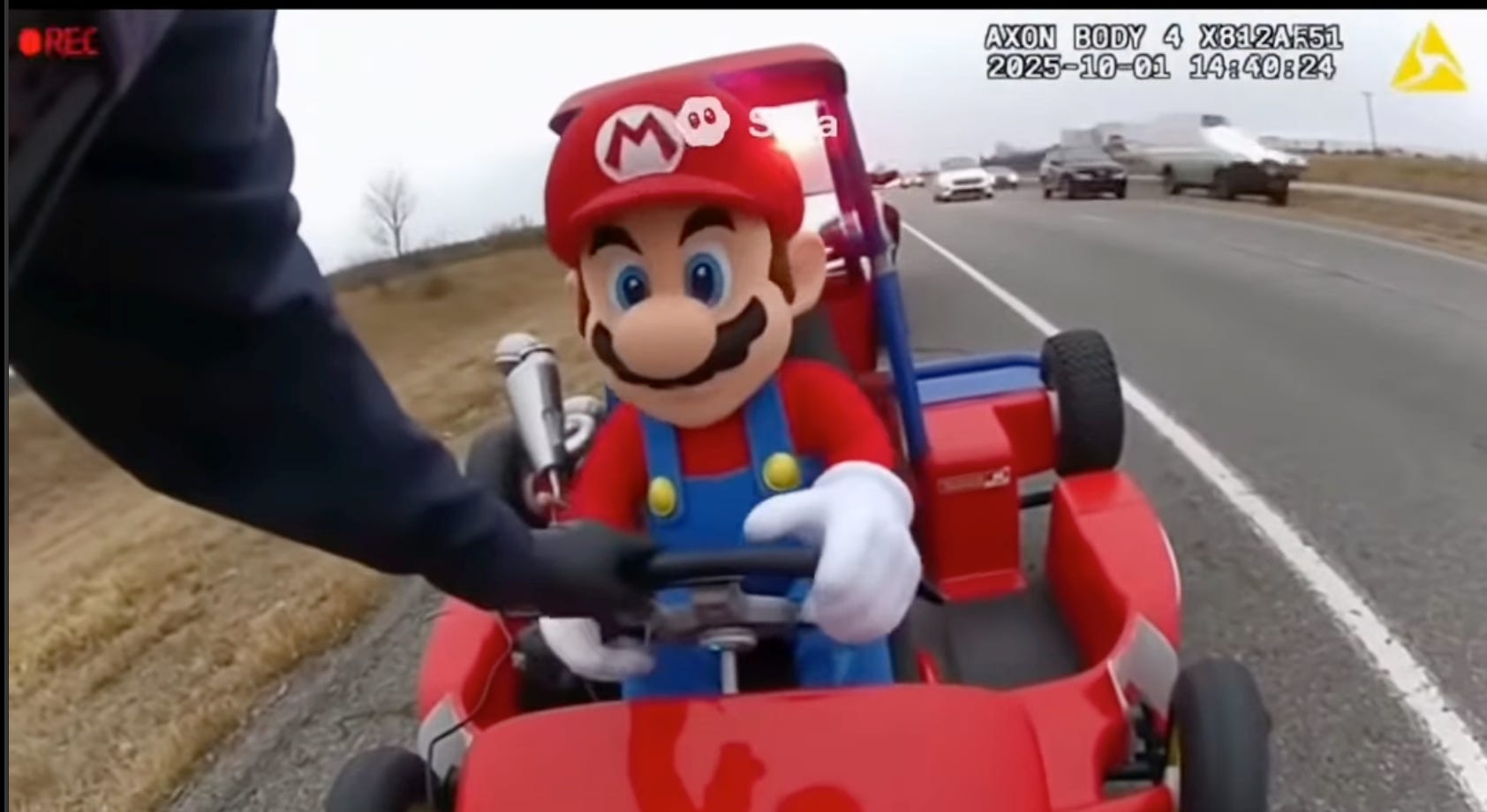
OpenAI has already begun walking back the creative freedom that made Sora 2 exciting, implementing strict controls on third-party intellectual property that effectively kill the platform’s most entertaining use cases. The company’s decision to shift from an opt-out to an opt-in model for copyrighted characters strips away the transformative potential that had users generating everything from live-action Mario Kart races to reimagined Disney classics.
The timing of this reversal coincides with Warner Bros.’ aggressive lawsuit against AI image generator Midjourney, which alleges copyright infringement for enabling users to create content featuring Superman, Batman, and other iconic characters. Warner Bros. claims Midjourney “thinks it is above the law” and “could easily stop its theft and exploitation” of intellectual property, seeking up to $150,000 in damages per infringed work.
This legal pressure appears to have spooked OpenAI into preemptive capitulation. CEO Sam Altman announced the policy change in a blog post, explaining that the company will now “give rightsholders more granular control over generation of characters, similar to the opt-in model for likeness but with additional controls.”
Altman attempted to frame the restrictions positively, stating: “We are hearing from a lot of rightsholders who are very excited for this new kind of ‘interactive fan fiction’ and think this new kind of engagement will accrue a lot of value to them, but want the ability to specify how their characters can be used (including not at all).”
The reality is far less optimistic. Under the new system, studios and rights holders must explicitly permit their characters to appear in user-generated content, with the ability to set specific rules about context, character usage, and geographic restrictions. This granular control effectively transforms Sora from a creative playground into a corporate-approved content generator.
The change eliminates the viral potential that made Sora’s initial demos so compelling. Users were already creating imaginative mashups like photorealistic versions of animated characters, alternate takes on beloved franchises, and creative crossovers that would never exist through official channels. These transformative works represented the kind of creative expression that fair use protections were designed to encourage.
Instead, OpenAI is prioritizing corporate comfort over user creativity. The company even suggested implementing revenue sharing arrangements where rights holders could monetize user-generated content featuring their characters, turning fan creativity into another corporate profit stream.
The Warner Bros. lawsuit against Midjourney demonstrates the entertainment industry’s hostility toward AI-generated content featuring their properties. The studio alleges that Midjourney trained its system on “illegal copies” of Warner Bros. works and enables users to create “downloaded images and videos of those characters in every imaginable scene.”
This legal framework treats any AI-generated content featuring copyrighted characters as inherently infringing, regardless of transformative elements or fair use considerations. The approach ignores decades of precedent protecting parody, commentary, and transformative works under copyright law.
The implications extend beyond Sora to the entire AI-generated content ecosystem. If companies consistently cave to corporate pressure rather than defending fair use principles, AI tools will become sanitized platforms that serve corporate interests rather than creative expression.
Current copyright law already provides adequate protection for rights holders while preserving space for transformative works. The problem isn’t legal inadequacy but corporate overreach enabled by AI companies’ risk-averse approach to litigation.
The entertainment industry’s aggressive stance ignores the promotional value of user-generated content. Fan-created videos featuring beloved characters often generate more engagement and cultural relevance than official marketing campaigns. By restricting this creativity, studios may be harming their own long-term interests.
OpenAI’s retreat also sets a troubling precedent for other AI companies. Rather than fighting for users’ creative rights, the industry appears willing to implement whatever restrictions corporate lawyers demand, regardless of legal merit or user impact.
The shift from opt-out to opt-in fundamentally changes Sora’s value proposition. Instead of a tool for unlimited creative expression, it becomes a platform where corporate gatekeepers determine what users can create. This approach stifles the experimental, boundary-pushing content that makes AI-generated media interesting.
Users invested in Sora’s creative potential now face a platform neutered by corporate fear. The live-action Mario Kart videos, reimagined Disney scenes, and creative character mashups that showcased the technology’s possibilities are now effectively banned unless Nintendo, Disney, and other rights holders explicitly approve them.
The real solution requires updating intellectual property law to better accommodate AI-generated content and transformative works. Current copyright frameworks, designed for pre-digital media landscapes, poorly serve both creators and rights holders in an AI-driven world.
What do you think about OpenAI’s decision to restrict third-party IP in Sora 2? Should AI companies fight for users’ creative rights or prioritize corporate relationships?
The traditional studios are living on borrowed time. Sooner or later they'll get slapped down when there is an eventual determination on just how much of the likeness has to be changed to invalidate their copyright, then it's game on.
"You can make any video you want... As long as large corporations give their consent."
I guess parody and satire are out the window.