

OpenAI dropped its most ambitious project yet this week with the launch of Sora 2 and its accompanying social media app, marking a watershed moment in generative AI technology. While media coverage has focused on potential risks and disruption, the reality is more nuanced - and more exciting.
The Technology Behind the Headlines
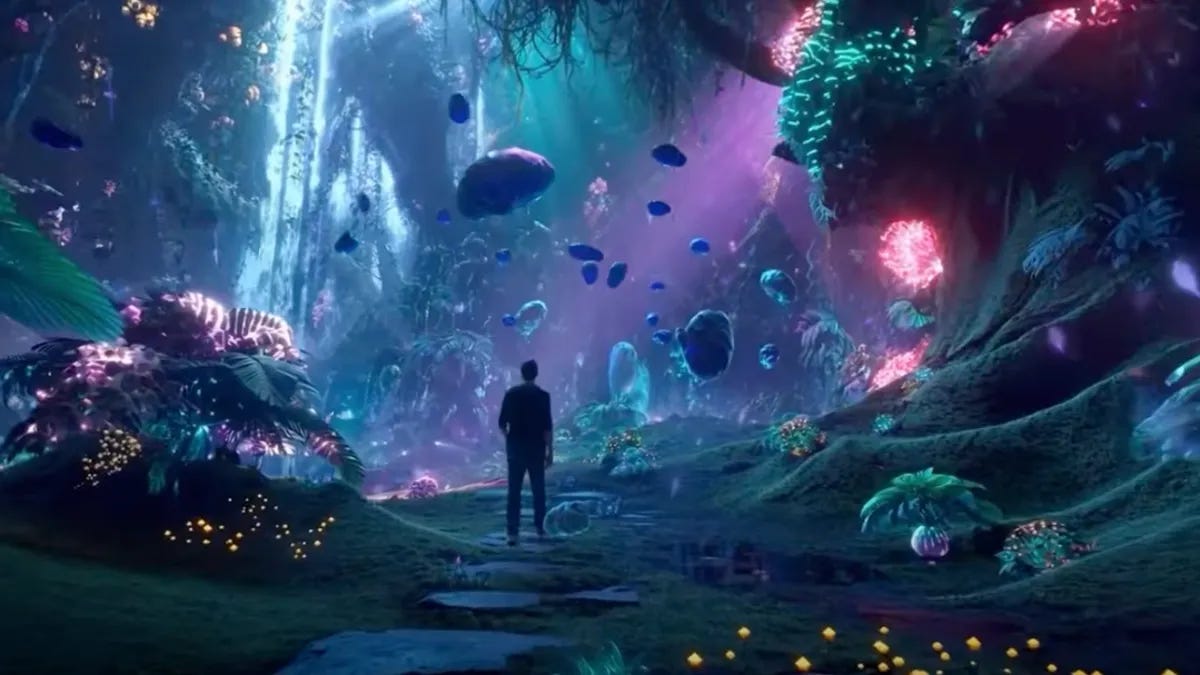
Sora 2 delivers what previous AI video generators only promised: realistic, physics-aware video generation that actually works. The platform produces videos up to 60 seconds long with synchronized audio, all from simple text prompts. Users can even insert their own digital avatars into generated content, creating personalized videos that would have required professional studios just months ago.
The technical achievements are impressive. Sora 2’s diffusion transformer model handles complex physics interactions that stumped earlier systems. Balls bounce correctly, water flows naturally, and objects maintain consistency across frames. The hierarchical attention modules ensure that generated characters don’t morph unexpectedly or lose limbs mid-scene, problems that plagued earlier AI video tools.
Most importantly, OpenAI built comprehensive safety protocols from the ground up. Enhanced watermarking tracks content origins, while strict controls prevent unauthorized use of public figures or adult content. Users maintain complete control over their digital likenesses, with transparency tools showing exactly when and how their avatars appear in generated videos.
Media Misses the Mark
Much of the coverage has focused on dystopian scenarios and potential misuse, but this misses the transformative creative potential. The Hollywood Reporter’s conversation between Steven Zeitchik and Julian Sancton exemplified this pessimistic framing, with Sancton lamenting how “AI companies pivoted from this lofty talk of AI’s potential to change the world for the better to just pouring gasoline on the social media dumpster fire.”
This perspective ignores the democratizing effect of accessible video creation tools. Small businesses can now produce marketing content without expensive production budgets. Educators can create engaging explainer videos instantly. Independent creators gain access to capabilities previously reserved for major studios.
The comparison to “AI TikTok” isn’t the criticism media outlets think it is. TikTok revolutionized content creation by lowering barriers to entry. Sora 2 does the same for video production, potentially unleashing a wave of creative innovation.
Professional Applications Drive Real Value
Beyond social media applications, Sora 2 opens new possibilities for professional use cases. The platform excels at rapid prototyping and visualization, allowing designers to test concepts quickly. Training simulations can be generated on demand for educational institutions and corporate programs.
The entertainment industry stands to benefit significantly from Sora’s storyboard and pre-visualization capabilities. Directors can test scene concepts before expensive shoots, while writers can visualize scripts during development. These applications complement rather than replace traditional filmmaking.
Research applications are equally promising. Scientists can generate visual data for studies, while AI researchers gain access to synthetic datasets for computer vision training. The platform’s physics-aware generation makes it particularly valuable for simulation work.
Addressing Legitimate Concerns
OpenAI deserves credit for proactive safety measures. The opt-out model for copyrighted content, while imperfect, provides a framework for rights holders to protect their intellectual property. Digital avatar controls ensure users maintain agency over their likenesses.
The computational demands are real - high-fidelity video generation requires significant resources. But this challenge drives innovation in efficient AI architectures and could accelerate development of specialized hardware.
Edge cases and artifacts remain, particularly in complex multi-object scenes or unusual lighting conditions. However, these limitations are typical of emerging technologies and will improve with iteration.
The future of content creation just got more interesting, and that’s worth celebrating rather than fearing.
What do you think about AI-generated video becoming mainstream? Will tools like Sora 2 enhance creativity or diminish authentic human expression?
They really, really, really need to focus on persistent characters. All the other flashy features are as nothing compared to the importance of that.
I think this is great for all the reasons mentioned. Underserved communities will be able to have more content to their liking.
Buh bye gatekeepers!
There’s always going to be a place for live action shot films just like there’s still a place for plays. But the days of millionaire actors is likely drawing to a close.